Can Wood-destroying insects Damage Homes in Scarborough?
Indeed, termites can affect homes in Scarborough, and the risk is worth taking seriously. Even if a home looks sound from the outside, termite damage can develop silently behind walls, under floors, and around areas where moisture collects. For homeowners searching for pest control Scarborough services, the key concern is not just whether termites Learn more are present, but whether they are already causing structural damage that affects safety, repair costs, and property value.
Scarborough’s housing mix makes this issue especially significant. Older mid-century homes, newer suburban builds, and renovated properties all have different risk factors. Add in Lake Ontario moisture exposure, seasonal freeze-thaw cycles, and basement or foundation concerns common in many neighbourhoods, and it becomes easier for termites and other wood pests to find entry points. Early detection matters because the sooner a hidden infestation is identified, the more manageable the remediation usually is.
Do termites actually damage homes in Scarborough?
Termites definitely can result in termite damage in Scarborough homes. They eat on cellulose in wood and can undermine wood structures over time, especially when conditions are damp and sheltered. The most serious problem is that termite activity is often concealed, so a homeowner may not notice the damage until the wood has already lost strength.
This is why termite concerns go beyond a simple pest sighting. A colony can work inside framing, support members, trim, and subflooring without leaving obvious signs at first. Over time, this can compromise structural integrity and lead to expensive repairs. In practical terms, termites may not collapse a house overnight, but they can steadily weaken the parts that keep a home stable and safe.
For Scarborough homeowners, this also connects to property value. Buyers and inspectors pay attention to evidence of wood decay, past infestation signs, and any history of treatment or remediation. If termite damage is ignored, it can lower confidence during a sale and create added inspection concerns later.
Homeowners should think of termite risk as a property protection issue, not just a nuisance problem. The sooner termite damage is identified, the better the outcome for the home and its value.
What types of termites and wood-damaging pests are found in Scarborough?
The main termite species to know in Ontario homes is subterranean termites. These termites live in the soil and enter structures through hidden entry points, often where wood meets damp ground or where a foundation crack creates access. As they depend on damp conditions, they are especially likely to appear where basements, crawl spaces, or poorly drained areas create favourable conditions.
Scarborough homeowners also need to watch for carpenter ants and other wood-boring insects. Carpenter ants do not eat wood the way termites do, but they excavate it to build nests, which can still cause damage and confusion during a home inspection. Certain borers, depending on the species, can leave different patterns of damage and may affect older lumber, trim, or structural wood that has already been weakened by moisture.
That distinction matters because the right response depends on the pest involved. Subterranean termites often require a targeted treatment plan and long-term monitoring, while carpenter ants may indicate moisture intrusion or rot that also needs to be fixed. In many cases, the visible problem is only part of a larger hidden infestation or wood decay issue.
What may be the early warnings of termite damage in a home?
Early detection starts with knowing what infestation signs to look for. Termites are subtle, but they do leave clues. One of the most visible is mud tubes, which are narrow earthen tunnels termites build to travel between the soil and wood while staying protected from dry air and light. These are often found along foundation walls, basement edges, or crawl space supports.
Another warning sign is hollow-sounding wood. If timber sounds empty when tapped, that can point to internal feeding damage. In some homes, wood may also appear bubbled, soft, or oddly thin from the inside out. A careful damage assessment often reveals that the surface still looks intact even when the interior has been weakened.
Frass is another clue, though it is more commonly associated with some wood-damaging insects than with subterranean termites. Frass looks like tiny pellets or sawdust-like debris and may be found near damaged trim, baseboards, or entry points. Even if it is not termite frass specifically, it can still indicate a pest problem that needs attention.
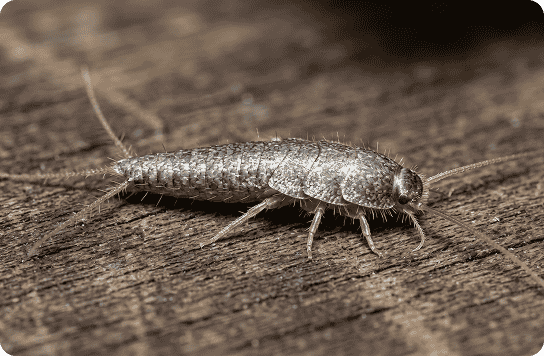
Other signs can include bubbling paint, sagging floors, stuck doors, and unexplained deterioration in wood structures. These symptoms do not always mean termites are present, but they do suggest that a home inspection should be done soon, especially if moisture levels have been high.
Why vulnerable to termite activity
Scarborough homes can be at risk to termite activity for several local reasons. A key factor is the age and style of housing. Many established neighbourhoods include older post-war homes with original framing, additions, and aging foundations. These homes may have foundation cracks, older drainage systems, or previous repairs that create entry points for pests.
Mosquito Man Scarborough1225 Kennedy Rd, Scarborough, ON M1P 4Y1, Canada
+1 647-243-7241
https://maps.app.goo.gl/8SuLx1MkkqVJFc2m9 https://mosquitoman.ca/pest-control/scarborough/
43.7561897, -79.2751574
Basements are a further key factor. In lots of Scarborough properties, basements are used for keeping items, washing clothes, living space, or mechanical equipment, which makes them ideal places for moisture intrusion to go unnoticed. A moist basement can elevate moisture levels around sill plates, rim joists, and other wooden components. Since subterranean termites are drawn to moisture, these conditions can boost risk.
Periodic thaw-freeze patterns also play a role. When temperatures shift, tiny cracks in concrete or outdoor pest control near me masonry can expand, and water can seep into vulnerable areas. Due to Lake Ontario’s influence adding humidity and moisture exposure, wood that remains damp for long periods becomes more attractive to pests and more susceptible to wood decay.
Newly built residential homes in areas such as Agincourt or Malvern can also experience issues, especially if the grading, water drainage, or yard landscaping sends water toward the foundation. Regardless how old of the home, dampness control is one of the key factors in reducing termite risk and maintaining structural integrity.
Where exactly termites commonly conceal themselves in Scarborough properties
Termites often stay out of sight until damage becomes obvious. In Scarborough properties, frequent concealment areas include crawl spaces, attics, basements, wall cavities, and areas near floor joists. These are all spaces where wood, shade, and moisture can combine to support an active colony.
Crawl spaces are especially critical because they can allow easy access from soil to wood. If there is wood-to-soil contact or limited ventilation, termites may move unseen for a long time. Floor joists in these areas are a common target because they are critical structural members and may stay damp if there are plumbing leaks or poor airflow.
Attics can also be at risk, especially if roof leaks, condensation, or poor insulation create damp wood conditions. While attics are not the most common entry point for subterranean termites, they can still harbour other wood-boring insects or signs of broader moisture-related damage.
In homes around Birch Cliff or Cliffside, where older construction and coastal moisture influences can overlap, it becomes even more essential to check concealed spaces carefully. Hidden infestation is often missed because homeowners look at visible rooms and overlook the areas where pests tend to start.
How pest control in Scarborough identifies termite problems
A thorough inspection is the most dependable way to detect termite problems. A licensed pest control technician looks for infestation signs, moisture conditions, structural concerns, and evidence of entry points that homeowners may overlook. This is very important because termites often leave subtle clues that can be mistaken for ordinary wear or minor water damage.
Many pest control Scarborough inspections include a moisture meter to measure dampness in wood and other materials. Elevated moisture levels can point to current or past conditions that support termites, carpenter ants, or wood decay. The technician may also use thermal imaging to help spot temperature differences behind walls or in ceilings that could suggest hidden activity, moisture intrusion, or a concealed active colony.
These tools do not replace a skilled inspection, but they improve accuracy during a damage assessment. A technician can connect the findings to the home’s layout, age, and risk factors, then recommend the right next steps. That might include localized treatment, targeted repairs, or preventive maintenance to reduce the chance of recurrence.
For homeowners, the value of professional inspection is clarity. It answers whether there is an active colony, whether the problem is termites or another pest, and whether the issue affects structural integrity or simply requires monitoring.
How to respond if you suspect termite damage
If you suspect possible termite damage, act quickly. Begin by limiting disturbance in the area so proof is not destroyed before a qualified inspection can happen. Avoid spraying random store-bought products into wall gaps or mud tubes, since that can make inspection harder without solving the underlying problem.
The following step is a proper treatment plan. A technician will assess whether the issue requires targeted application, follow-up, or a more comprehensive method based on the severity of the problem. If termites have caused destruction, the solution may also include repair of compromised wood and humidity sources.
Barrier work is another key component of the process. In practice, this means closing or addressing entry points so termites and other pests cannot get back inside. This may include repairing foundation openings, improving drainage, fixing rotted wood, and addressing issues that allow water entry.
When structural deterioration is present, a repair specialist may need to inspect joists, framing, trim, or basement components. Pest control handles the infestation; the contractor takes care of the building repairs. Working together helps restore structural integrity and reduce future repair costs.
Since termite damage can advance silently, waiting usually makes the problem more expensive. Prompt action can protect both the home and the homeowner’s sense of security.
How to prevent termites from damaging your home
Protection begins with minimizing the factors termites need to survive. A key one of the key measures is eliminating wood-to-soil contact. Porch posts, siding, steps, stored lumber, and other wood items should not sit directly against soil near the foundation, since that creates simpler access for subterranean termites.
Gutter care is equally essential. Clear gutters and working downspouts help direct water off the house instead of allowing it collect near the foundation. In Scarborough, where seasonal rain and meltwater can affect moisture levels, controlling drainage under control is a key part of proactive maintenance.
Landscaping is important too. Soil, mulch, and plants ought to be positioned so water flows away from the home and does not trap moisture near basement walls or crawl space entries. Dense shrubs, thick mulch beds, and bad grading can all raise risk factors that encourage pests and contribute to wood decay.
Homeowners should also check for plumbing leaks, boost ventilation where needed, and examine utility penetrations regularly. A home with dry framing, limited openings, and well-managed moisture levels is much less attractive to termites and other wood pests.
Prevention is not a single fix. It is an ongoing practice that supports long-term protection and better property protection overall.
When to call a pest control Scarborough professional
You should call a pest control Scarborough professional right after you notice infestation signs, suspect structural damage, or find suspicious wood damage in your basement, crawl spaces, or other concealed areas. A licensed pest control technician can assess whether you are dealing with termites, carpenter ants, or another wood-boring insects issue.
A same-day inspection may be especially valuable if you see mud tubes, hollow-sounding wood, or repeated moisture issues near the foundation. The quicker the inspection occurs, the sooner the technician can recommend a treatment plan or confirm that the issue is something else. That early step can reduce the risk of larger repairs and help protect property value.
Integrated pest management is often the best long-term strategy. This approach combines inspection, moisture control, exclusion, targeted treatment, and ongoing monitoring rather than relying on a single quick fix. It is practical, efficient, and better suited to the mix of older and newer homes across Scarborough.
If you live in a neighbourhood with known basement concerns, recent renovations, or recurring dampness, don’t wait for the problem to grow. Professional inspection is the safest way to protect your home and address termite risk before it becomes a larger structural concern.
FAQs on: Termite damage and safeguarding your home in Scarborough
Can termites harm homes in Scarborough fast?
Termite colonies can cause damage faster than many homeowners expect, especially if an active colony has simple access to moist wood and concealed entry openings. It typically begins little by little, but once the infestation grows, termite damage can extend into load-bearing areas and become costlier to fix. Early detection is the best way to limit repair costs.
How do I know if I have termites or carpenter ants?
Termites often often leave mud tubes, hollow-sounding wood, and damaged wood that looks stacked or eaten from the inside. Carpenter ants are more likely to leave frass-like debris, and their presence is often tied to moisture intrusion or rot. Because the signs can overlap, a trained inspection is the most reliable way to tell the difference.
What parts of a Scarborough home are most at risk?
Lower levels, crawl spaces, floor joists, foundation walls, and any area with water intrusion are the most at risk. Homes with foundation cracks, poor drainage, or wood touching soil are especially vulnerable. Older homes and newer homes can both be affected if conditions support termite activity.
How often should I book a termite inspection in Scarborough?
Many homeowners find value in an annual home inspection focused on pest risk, especially if the property has a history of dampness, older construction, or basement concerns. If you have seen infestation signs, live near moisture-prone areas, or have had past termite damage, more frequent inspection may be wise. Regular checks support prompt detection and long-term protection.
Does pest control in Scarborough cover termite prevention and treatment?
Yes, many pest control Scarborough services include both prevention and treatment. A licensed pest control technician may recommend a treatment plan, exclusion work, moisture control advice, and integrated pest management to reduce the chance of future problems. The right service should address both the infestation and the conditions that allow it to return.